
Navigating the advertising landscape for ketamine therapy can be challenging, especially given the sensitive nature of mental health treatments and the potential for misinterpretation. However, with a strategic and compliant approach, clinics can effectively reach those who may benefit from this innovative therapy while adhering to all applicable regulations and ethical guidelines.
This article will explore the key aspects of advertising ketamine therapy responsibly and effectively, ensuring that your message resonates with the right audience without overstepping legal or ethical boundaries.
Understanding the Legal Landscape
Current Regulations on Ketamine Therapy Advertising
Advertising ketamine therapy is subject to a complex web of regulations that vary depending on location. Generally, advertising prescription medications directly to consumers is heavily regulated. While ketamine is FDA-approved for anesthetic purposes, its use in treating mental health conditions is considered off-label. This distinction significantly impacts advertising strategies. Clinics must avoid making unsubstantiated claims about ketamine’s effectiveness in treating mental health disorders. Instead, advertising should focus on providing factual information about the therapy, the clinic’s expertise, and the overall treatment approach, while emphasizing the importance of consulting with qualified medical professionals to determine individual suitability for ketamine treatment and emphasizing the importance of personalized treatment plans.
Key Compliance Considerations for Ketamine Therapy Clinics
For clinics advertising ketamine therapy, compliance is paramount to avoid legal repercussions and maintain ethical standards. To achieve this, clinics should focus on several key aspects of their advertising:
- Ensuring that all ketamine therapy advertising materials are truthful and not misleading. Claims about ketamine’s efficacy should be supported by credible scientific evidence, and any potential risks or side effects must be clearly disclosed.
- Avoiding the promotion of ketamine as a guaranteed cure for mental health conditions, as this can create unrealistic expectations and undermine the therapeutic process.
- Clinics should also ensure their advertising is compliant with HIPAA regulations, protecting patient privacy and confidentiality in all marketing efforts.
Consequences of Non-Compliance
Failure to comply with advertising regulations can have severe consequences for clinics offering ketamine therapy. Legal penalties, such as fines and lawsuits, can be significant in the context of advertising the use of ketamine., potentially impacting the clinic’s financial stability and reputation if they do not comply with regulations surrounding the advertising of psychedelic therapies. Furthermore, non-compliance can erode public trust in the clinic and the therapy itself.
Misleading or unethical advertising practices can damage the credibility of ketamine therapy as a legitimate treatment option for mental health conditions, potentially discouraging individuals from seeking help. Building and maintaining trust through transparent and ethical advertising is crucial for the long-term success and sustainability of ketamine therapy clinics.
Developing a Strategic Ketamine Therapy Advertising Plan
Identifying Your Target Audience
Pinpointing your ideal patient is paramount to a successful ketamine therapy advertising strategy. Instead of casting a wide net, focus on demographics and psychographics that align with those who may benefit most from ketamine therapy. Consider age groups, specific mental health conditions like treatment-resistant depression or PTSD, and geographic locations.
Research their online behavior, preferred social media platforms, and the type of content they engage with when searching for ketamine treatment options. Understanding their needs, pain points, and motivations will allow you to tailor your messaging effectively. By clearly defining your target audience, your advertising efforts will be more focused, efficient, and ultimately, more successful in reaching the individuals who are genuinely seeking the potential benefits of ketamine therapy.
Creating Engaging and Actionable Ketamine Therapy Ad Creatives
Crafting content that resonates with your target audience while remaining compliant with advertising regulations requires a delicate balance. Focus on providing valuable, educational information about ketamine therapy, its potential benefits as an antidepressant, and the process involved. Use clear, concise language that avoids medical jargon and is easily understood by the general public.
Incorporate patient testimonials (with proper consent and privacy safeguards) to showcase real-life experiences. Address common misconceptions and concerns about ketamine therapy, and emphasize the importance of consulting with qualified medical professionals to determine individual suitability. Remember, the goal is to empower potential patients with the knowledge they need to make informed decisions about their mental health treatment options while staying within ethical and legal boundaries.
Why Instagram Is Ketamine Therapy’s Best Social Media Channel
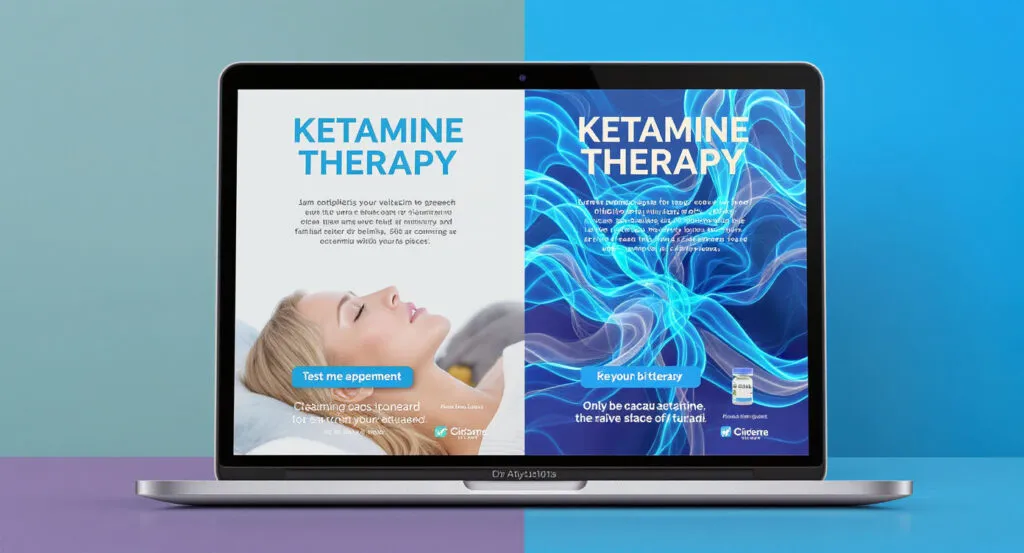
Instagram stands out as a particularly effective social media channel for responsibly advertising ketamine therapy, provided clinics adhere to ethical and regulatory guidelines. Its visual nature allows clinics to create engaging content that showcases their facilities, staff expertise, and patient success stories (with appropriate consent, of course). By using high-quality images and videos, clinics can convey a sense of professionalism and trustworthiness, which is crucial in the sensitive field of mental health treatment.
Instagram’s targeting capabilities also enable clinics to reach specific demographics and interests related to the use of ketamine, ensuring that their message resonates with the right audience. Furthermore, Instagram’s emphasis on community building provides an opportunity to foster a supportive environment where individuals can learn more about ketamine therapy and connect with others who have similar experiences, all while maintaining compliance and transparency.

Hire Ketamine Therapy Advertising Experts
Navigating the intricate landscape of ketamine therapy advertising requires specialized knowledge in content creation, understanding metrics, and experience with compliance regulations. That’s why hiring ketamine therapy advertising experts at Ketamine Marketing Pros can provide clinics with a significant advantage in reaching their target audiences effectively and responsibly, and with high return on ad spend.
We develop tailored advertising strategies through our proprietary ketamine advertising approach that get maximizing reach and engagement. Furthermore, Ketamine Marketing Pros’ ketamine therapy ads are never flagged. By partnering with our team, ketamine clinics can focus on providing quality care to their patients, confident that their advertising efforts are in capable hands.
Learn more about why ketamine therapy Instagram ads outperform Facebook and Google.

Adapting to Changing Ketamine Therapy Regulations
The regulatory landscape surrounding ketamine therapy advertising is constantly evolving, requiring clinics to remain vigilant and adaptable. Changes in federal and state laws, as well as evolving social media policies, can impact the way clinics market their services. Staying informed about these changes is crucial for maintaining compliance and avoiding potential legal repercussions. This requires a proactive approach, including regularly monitoring regulatory updates, seeking guidance from legal counsel, and adjusting advertising strategies accordingly. By embracing adaptability, clinics can ensure that their advertising efforts remain effective and ethical in the face of evolving regulations.
Staying Informed About Legal Changes
Staying informed about legal changes is paramount for clinics offering ketamine therapy. Clinics should designate a team member or hire a consultant to monitor regulatory updates from relevant agencies, such as the FDA and state medical boards. Subscribing to industry newsletters and attending legal conferences can also provide valuable insights into emerging trends in the use of ketamine and potential compliance challenges. Regularly reviewing advertising materials and protocols in light of new regulations is essential to ensure ongoing compliance. By prioritizing staying informed, clinics can minimize the risk of non-compliance and maintain their reputation as responsible and ethical providers of ketamine therapy.
Ready to grow your ketamine clinic with Instagram and Facebook ketamine therapy advertising expertise? Click Here.
Contact Us Today for a FREE Marketing Consultation!